
Introduction: Clean in Paradise — But Not Perfect
Hawaii’s natural beauty may make you assume its tap water is perfect — but even pristine rainwater can pick up impurities before reaching your home. In this guide, we explore how water travels from source to tap, common contaminants found across the islands, and the best ways to protect your family’s health with proper water filtration.
1. How Hawaii’s Water Gets to Your Tap
Hawaii’s drinking water starts as rain that percolates through volcanic rock, creating naturally filtered groundwater stored in deep aquifers.
However, before it reaches your faucet, water:
-
Travels through treatment facilities and distribution systems
-
Moves through pipes and storage tanks
-
Can interact with environmental contaminants
Along the way, water may pick up additional substances — even if it meets federal safety standards.
2. Common Contaminants in Hawaii’s Tap Water
Even with rigorous testing, several substances can be present in trace amounts or under specific conditions:
• PFAS (“Forever Chemicals”)
Per- and polyfluoroalkyl substances (PFAS) are synthetic chemicals linked to health risks such as hormonal disruption and immune system effects. Some areas of Oʻahu have reported PFAS detections, largely due to historical use of firefighting foams.
Tip: Activated carbon and reverse osmosis filters are effective at reducing PFAS at home.
The Real Contaminants Found in Hawaii’s Tap Water
Here are the most common and concerning contaminants Hawaiian homeowners should be aware of:
1. PFAS (“Forever Chemicals”)
PFAS, short for per- and polyfluoroalkyl substances, are man-made chemicals used in everything from non-stick pans to firefighting foams. They are nicknamed “forever chemicals” because they don’t break down easily and can linger in the environment — and the human body — for decades.
Why PFAS are a concern in Hawaii
In recent years, certain areas of Oʻahu have detected PFAS in municipal water supplies, partly due to historical firefighting foam usage on military bases. These detections have raised concerns about long-term exposure.
Health risks of PFAS include:
- Hormonal disruption
- Immune system suppression
- Liver and kidney effects
- Higher risk of certain cancers
- Developmental issues in children
How to remove PFAS
Boiling does nothing to remove PFAS.
The best filtration method:
➡️ Combination of activated carbon filtration + reverse osmosis (RO)
2. Chlorine & Disinfection Byproducts (DBPs)
To ensure water is safe from bacteria and viruses, Hawaii’s municipal systems add chlorine or chloramine. While effective at killing harmful pathogens, these disinfectants can react with natural organic matter in water and form chemical byproducts like trihalomethanes (THMs).
Potential effects of chlorine and DBPs:
- Dry, itchy skin
- Eye irritation
- Strong chemical odor or taste
- Respiratory issues from inhaling vapors
- Long-term exposure concerns when used daily for cooking, bathing, and drinking
Best filtration solution
➡️ Whole-house carbon filtration effectively reduces chlorine and DBPs throughout your home.
3. Sediments & Volcanic Particles
Even with natural filtration, sediment can enter pipelines due to disturbances, construction work, heavy rainfall, or aging infrastructure. Hawaii’s unique geology and volcanic soil also play a role.
Common issues caused by sediment include:
- Cloudy water
- Clogged or damaged appliances
- Reduced water heater efficiency
- Pipe blockages
- Staining in sinks, tubs, and clothing
Best filtration solution
➡️ Sediment pre-filters combined with carbon filtration absorb particles before water reaches your tap.
4. Lead & Heavy Metals
Lead contamination is more likely to come from older plumbing systems than from Hawaii’s natural water sources. If your home was built before the 1980s, you may have lead solder or old metal pipes that can leach contaminants into your water.
Health concerns include:
- Neurological issues
- Developmental delays in children
- High blood pressure
- Kidney problems
No amount of lead is considered safe, especially for pregnant women and children.
Best filtration solution
➡️ Reverse osmosis (RO) systems remove lead, arsenic, and other dangerous metals.
5. Microbial Contaminants
Surface water sources or systems affected by environmental events — such as storms, floods, or agricultural runoff — are at higher risk of microbial contamination.
These include:
- Bacteria
- Viruses
- Protozoa
- Parasites
Although rare, outbreaks can occur when systems become compromised.
Best filtration solution
➡️ UV sterilization combined with RO filtration provides the highest level of protection.
Why Water Filtration Matters in Hawaii
Even though Hawaii water often meets federal safety standards, that doesn’t guarantee it’s free from harmful contaminants. Federal standards also haven’t been updated to address many modern chemical threats, including PFAS.
A home water filtration system gives you control over your water quality.
Benefits of proper filtration include:
Cleaner, Better-Tasting Water
Activated carbon filters remove chemicals responsible for unpleasant odors and flavors, giving you fresh, crisp drinking water.
Improved Health Protection
Filters protect your family from contaminants that may contribute to long-term health issues — especially PFAS, lead, DBPs, and heavy metals.
Longer Appliance Lifespan
Hard water, sediment, and chemicals can wear down water heaters, dishwashers, washing machines, and plumbing systems.
Softer Skin & Hair
Chlorine strips natural oils, causing dryness. Removing it helps maintain healthier skin and hair.
Environmental Sustainability4
Filtered water reduces reliance on plastic bottles and cuts down on waste.
In a state where natural resources are precious, protecting your water at home contributes to a healthier lifestyle and a healthier environment.
Best Water Filtration Options for Hawaii Homes
Different contaminants require different filtration technologies. Below are the most effective solutions for Hawaii’s water challenges.
1. Whole-House Water Filtration System
A whole-house filtration system purifies all the water entering your home, reducing chlorine, sediment, and volcanic particles. It improves water smell and clarity while protecting pipes and appliances from buildup. This system also makes showers and baths feel noticeably cleaner and gentler on the skin.
2. Reverse Osmosis (RO) Drinking System
A reverse osmosis system removes up to 99% of harmful contaminants, including PFAS, arsenic, lead, mercury, nitrates, pesticides, and fluoride. Installed under the kitchen sink, it provides exceptionally pure drinking and cooking water. RO is one of the most effective ways to ensure safe, great-tasting water at home.
3. UV Water Purification
UV purification uses ultraviolet light to kill bacteria, viruses, and microorganisms without chemicals. It’s especially useful for homes relying on surface water, rain catchment systems, or areas exposed to heavy runoff. This method ensures safe, microbe-free water throughout your home.
4. Multi-Stage Filtration (The Best Overall Solution)
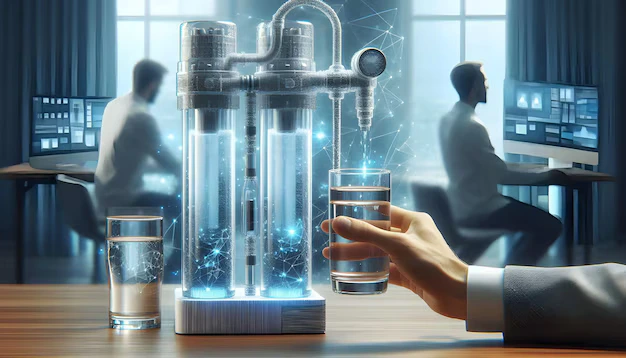
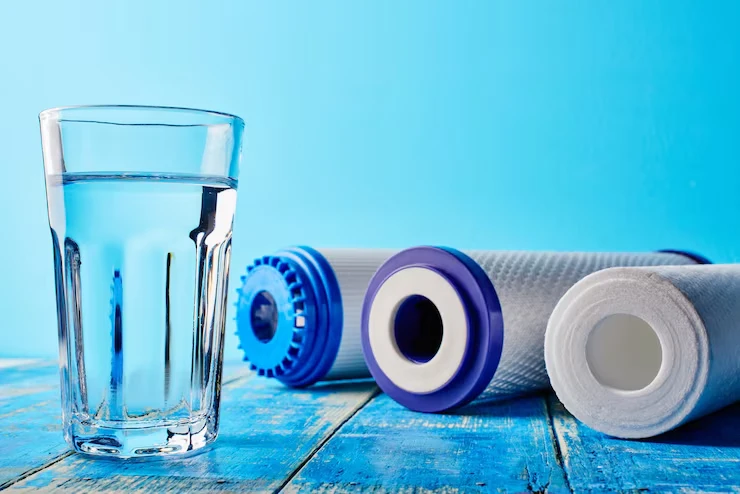
A multi-stage filtration setup combines sediment filters, activated carbon, reverse osmosis, and optional UV sterilization. Each stage targets different contaminants, ensuring complete protection from chemicals, metals, microbes, and particles. This layered system delivers the highest-quality water for the entire home.


Frequently Asked Questions (FAQ)
1. Is Hawaii tap water safe to drink?
Generally, yes, but “safe” based on federal guidelines does not mean free of all contaminants. Many families choose to filter their water to eliminate chlorine, PFAS, and heavy metals for better long-term health.
2. Which Hawaiian island has the cleanest water?
The Big Island often has cleaner groundwater due to lower population density. However, every island has areas with potential contaminants, making filtration beneficial statewide.
3. Can boiling water remove PFAS or chemicals?
No. Boiling only kills bacteria — it does not remove PFAS, heavy metals, chlorine, or chemical pollutants.
4. Are refrigerator filters enough?
Most fridge filters only improve taste and odor. They do not remove PFAS, lead, or many critical contaminants.
5. What is the most effective filtration setup?
For Hawaii homes, the best protection comes from pairing a whole-house carbon system with a reverse osmosis drinking system.
Get Cleaner, Safer Water Today
Your family deserves clean, healthy water — no matter which island you call home. With the right filtration system, you can enjoy water that’s free from harmful contaminants, better for your health, and better for your home.
Ready for safer, cleaner water?
We offer personalized recommendations, professional installation, and high-quality filtration systems designed specifically for Hawaii’s unique water conditions.
👉 Contact us today for a free water quality consultation and let us help you choose the perfect system for your home.